
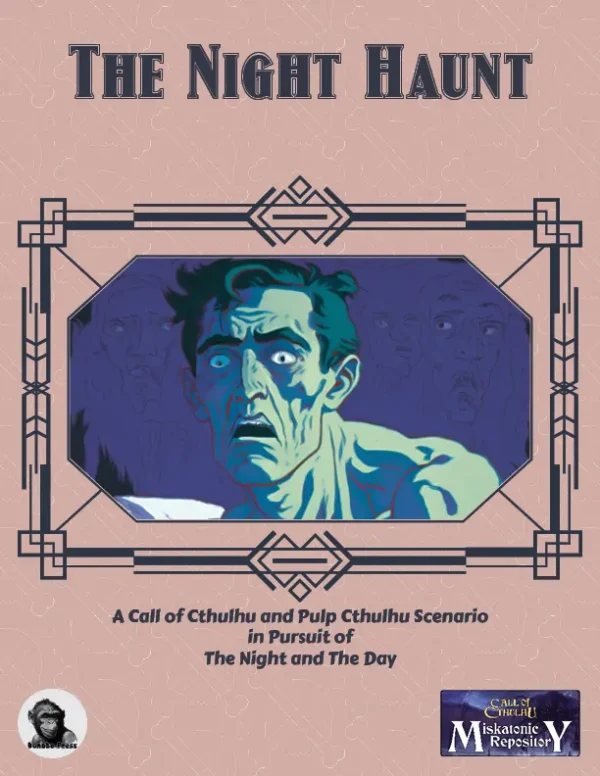
Paris, 1928. The city of light casts long shadows.
In the fashionable arrondissements where artists drink themselves to ruin and old money quietly rots, the Duplantier family has begun to unravel. The cause, those who whisper about it at all, trace back to two paintings — Ferdinand Hodler’s Night and Day — and whatever it is that has followed those canvases home.
The Night Haunt is a scenario for Call of Cthulhu 7th Edition and Pulp Cthulhu set against the gilded decay of interwar Paris. It draws on the genuine unease embedded in Hodler’s symbolist work — his skeletal figure of Night pressing down upon a sleeping man — and builds from that image outward into conspiracy, dread, and the particular horror of a household coming apart from within.
This is an investigation of atmosphere as much as plot. The Duplantier case pulls investigators into a Paris of private salons, suppressed histories, and art that seems to observe rather than be observed. The scenario rewards careful play, attentive reading of its characters, and a willingness to sit with ambiguity before the darkness resolves itself.